




How to Choose the Right PET Bottle Preform Mould for Your Production Line
Choosing the right PET bottle preform mould is one of the most critical decisions for optimizing production efficiency, minimizing cycle times, and ensuring flawless product quality. For high-capacity packaging lines, selecting the wrong tooling can result in costly factory downtime, excessive material scrap rates, and structural deformities in the final blown containers. As an industry-leading PET preform mold factory, DIBODI has compiled this comprehensive technical guide to help you choose the ideal injection tooling tailored to your manufacturing goals.
1. Evaluate Preform Volume and Wall Thickness
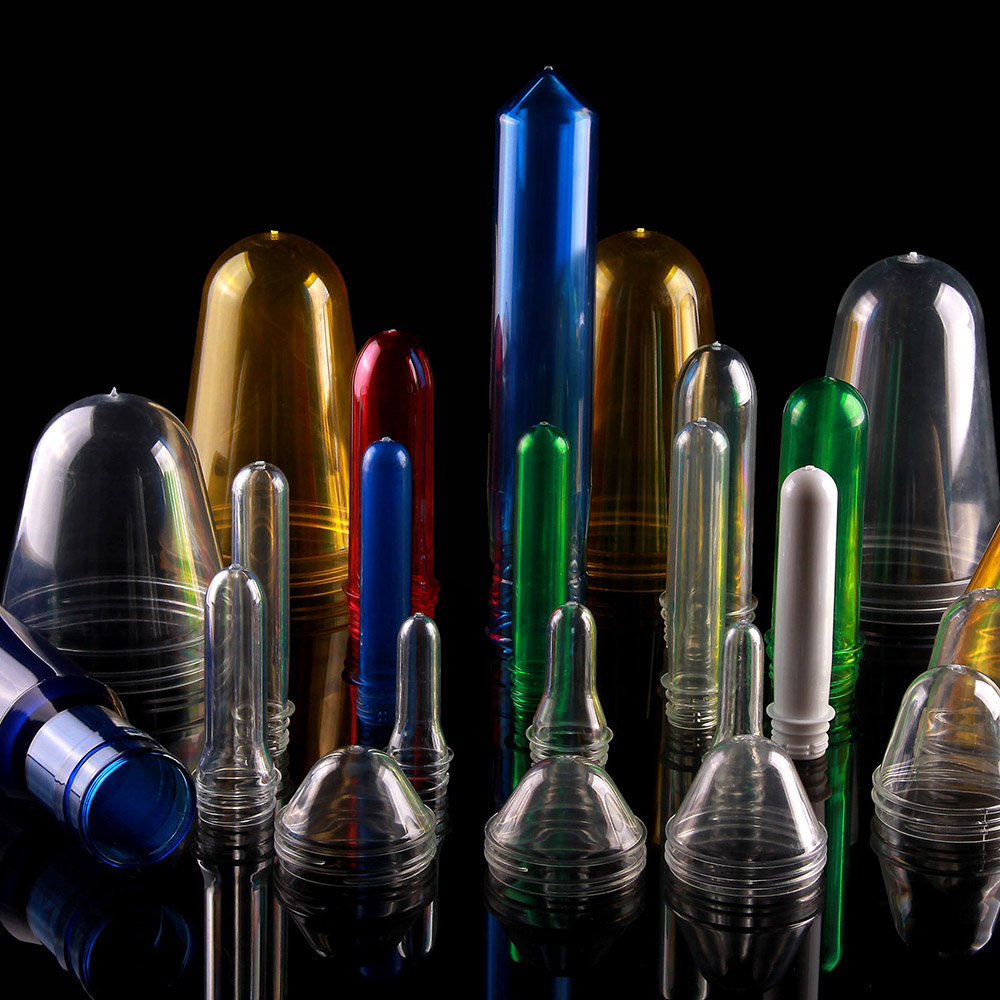
The physical dimensions and specifications of your target PET preform dictate the baseline engineering requirements of your mould tooling. Standard soft drink and water bottles utilize lightweight preforms with thin walls. Conversely, large-format packaging—such as industrial cooking oil bottles or heavy-duty 5 gallon preform molds—demands heavy gram weights (600g to 750g) and ultra-thick profiles.
Thick-walled preforms are highly susceptible to core crystallization (turning a hazy white color) if cooled improperly. If your production line targets heavy-duty containers, ensure the tooling you invest in is custom-engineered with advanced internal cooling layouts to maintain clear amorphous polymer structures.
2. Balance Cavity Count with Injection Machinery Capacity
Selecting the correct number of cavities requires balancing your annual output targets with the mechanical capabilities of your existing plastic packaging machinery. Higher cavity counts significantly boost volume but place high demands on your injection molding machine's clamping force and shot capacity.
| Preform Category | Recommended Cavity Range | Production Line Focus |
|---|---|---|
| Small Beverage (200ml - 500ml) | 24, 32, 48, to 72 Cavities | Ultra-high speed mass production |
| Medium Jars & Oil Bottles (1L - 5L) | 4, 8, to 16 Cavities | Balanced torque, precise thickness control |
| Large 5-Gallon Barrels (19L) | 1 or 2 Cavities (Linear Configuration) | High polymer stability, low machinery wear |
3. Prioritize Premium Valve Gate Hot Runner Systems
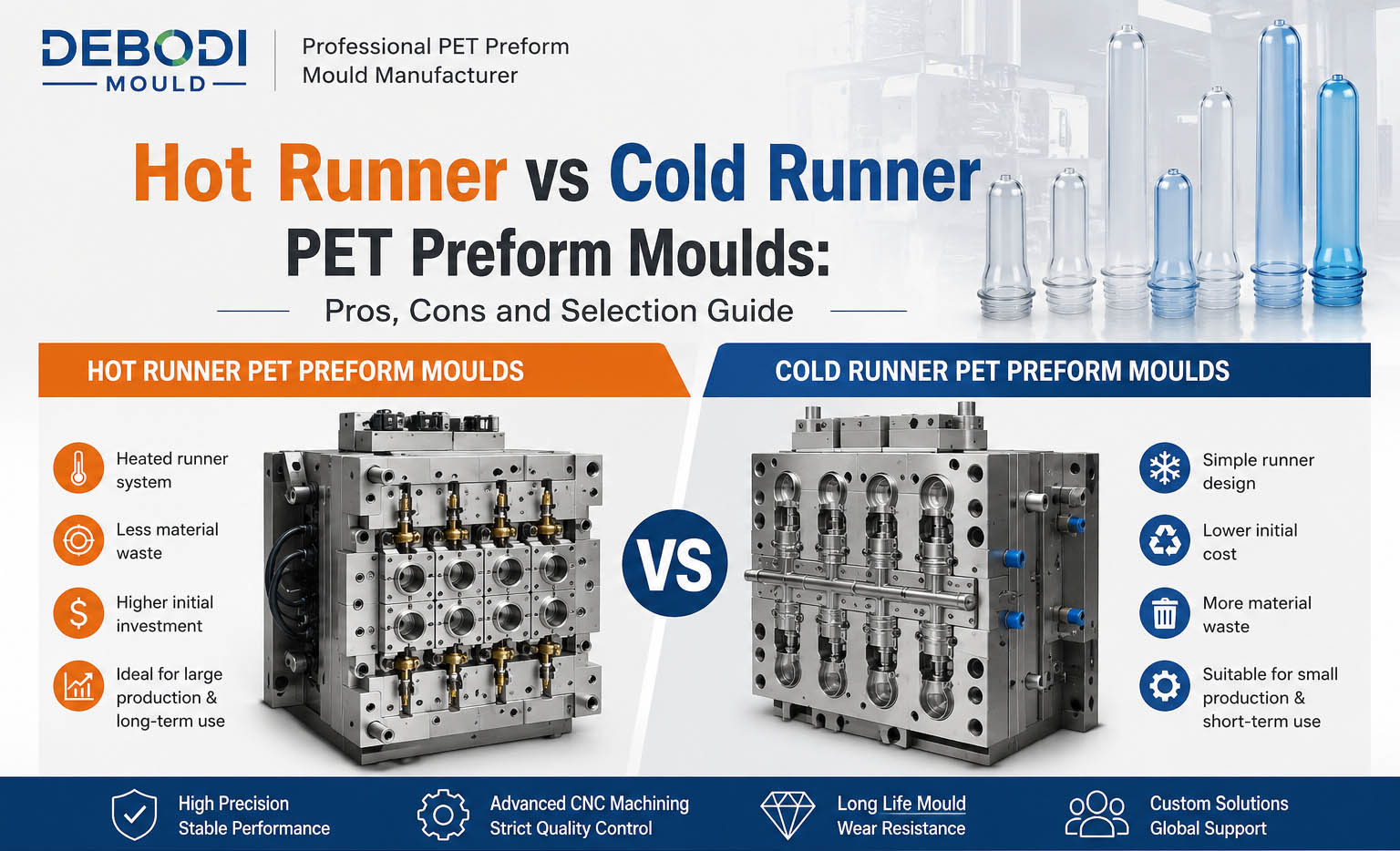
The internal design of the hot runner directly determines raw material waste, gate aesthetics, and cycle efficiency. For high-end applications, a pneumatic valve gate preform mold is far superior to standard open-gate designs.
A valve gate system mechanically cuts the plastic melt using internal moving pins. This completely avoids common manufacturing defects like gate drooling, long stringy gates, or un-melted tails on the bottom of the preform. A perfectly flat bottom gate area is indispensable for steady stretch blow molding and leak-proof container bases.
4. Inspect Thermal Management and Cooling Engineering
In injection molding, time is money. Up to 70% of a preform manufacturing cycle is spent entirely on cooling the polymer down to ejection temperatures. Efficient thermal engineering separates a premium tool from a substandard one.
Ensure your water bottle mold manufacturer designs independent, continuous spiral cooling channels wrapping tightly around the cavity walls, the inner core, and the neck area. Rapid, uniform cooling shortens overall cycle times, increases hourly yield, and protects the threads of the preform from thermal warping.
5. Demand High-Grade Corrosion-Resistant Steels
A robust PET preform mold is a major capital equipment investment intended to survive millions of cycles without failing. The metallurgy chosen for the tool determines its operational lifespan:
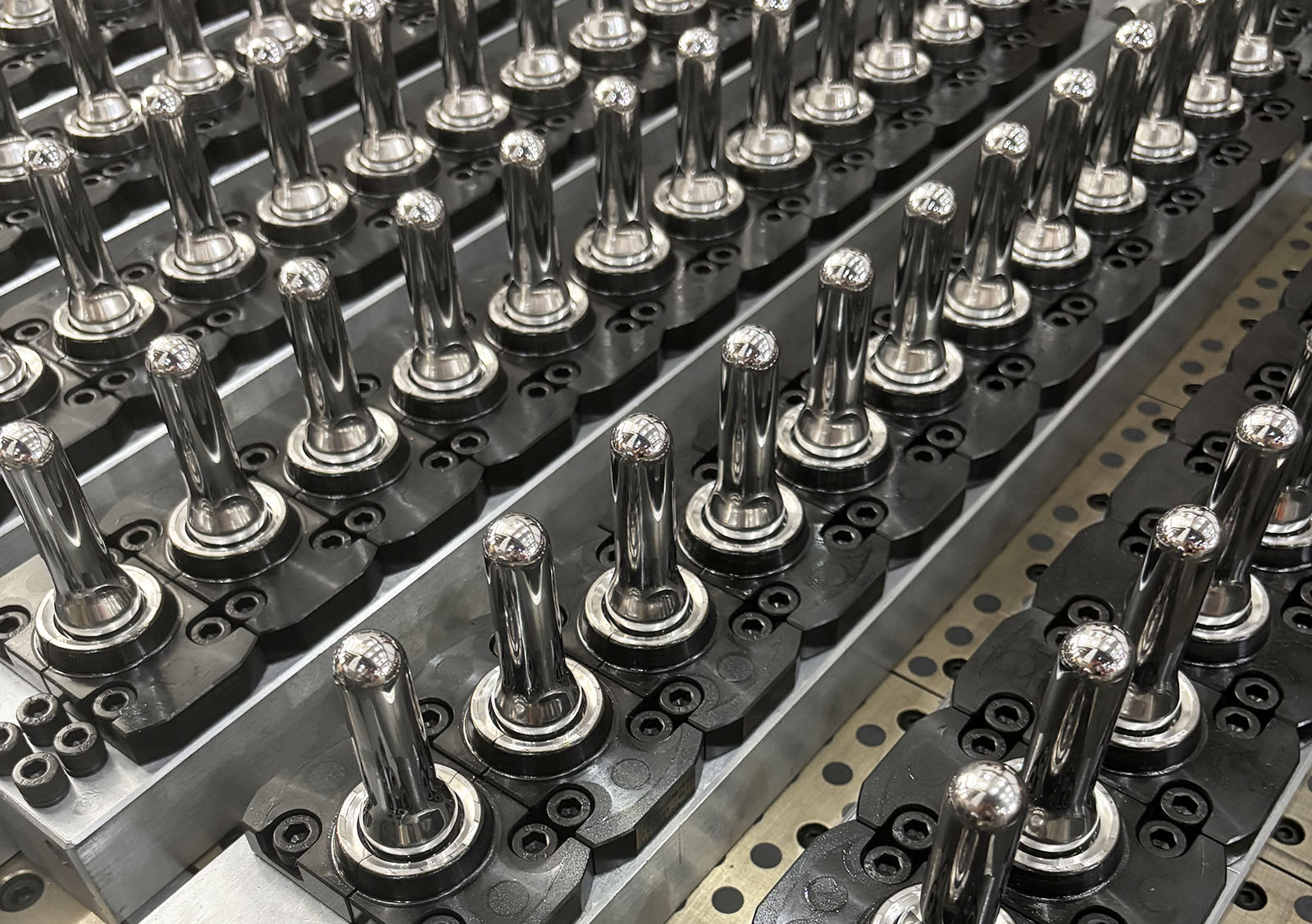
- Core & Cavity Steel: High-quality suppliers rely on premium stainless steels like S136 with professional vacuum quenching treatments yielding a hardness of HRC 48-52. This resists the abrasive nature of flowing PET resins.
- Mold Base Shielding: The mold base plates should utilize durable P20 steel, ideally processed with hard nickel electroplating to protect against ambient factory humidity and rust.
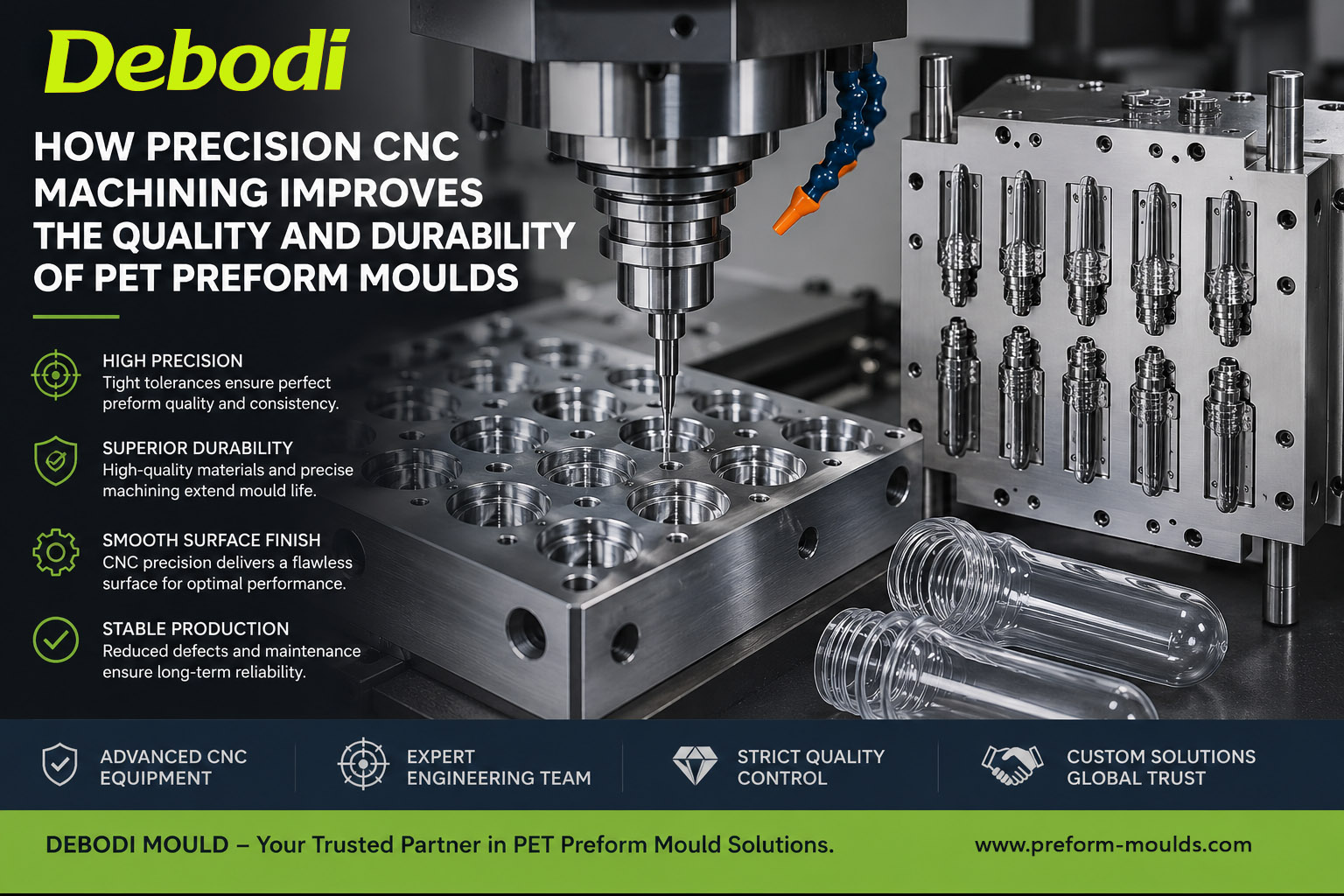
- Concentricity Control: The mold frame must incorporate reliable eccentricity alignment guides to hold the core-to-cavity thickness tolerances under ≤0.1mm, preventing thin, weak spots on your finished bottles.