




How Cavity Count Affects PET Preform Mould Productivity, Cost, and Final Product Quality
An In-Depth Technical Analysis by Debodi Mould – Your Professional PET Preform Mould Solution Expert
Introduction
In the highly competitive PET packaging industry, selecting the right injection moulding equipment is a critical decision that directly impacts long-term profitability. At the heart of this decision is a fundamental technical question: How many cavities should your PET preform mould have?
As a leading professional PET preform mould manufacturing factory, Debodi Mould understands that cavity count is not just a number—it is a balancing act between initial capital investment, operational efficiency, and structural engineering limitations. This deep dive analyzes how cavity configuration dictates productivity, cost structures, and final product quality, helping you optimize your production line for maximum ROI.
1. Maximizing Productivity: The Multi-Cavity Leverage
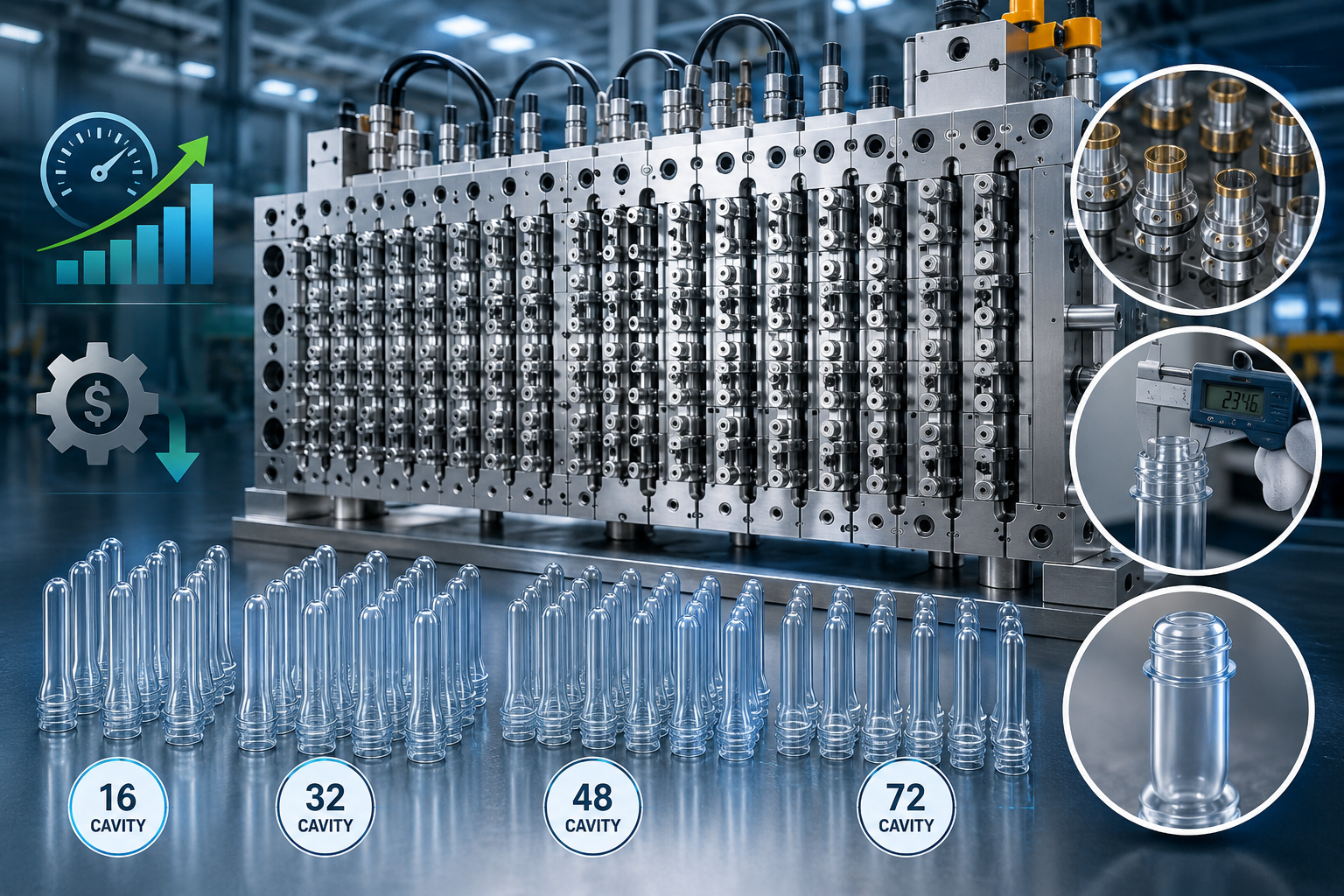
The most immediate effect of increasing cavity count is the exponential boost in output. However, achieving high productivity requires more than just adding holes to a mold plate; it demands rigorous engineering synchronization.
Throughput vs. Cycle Time
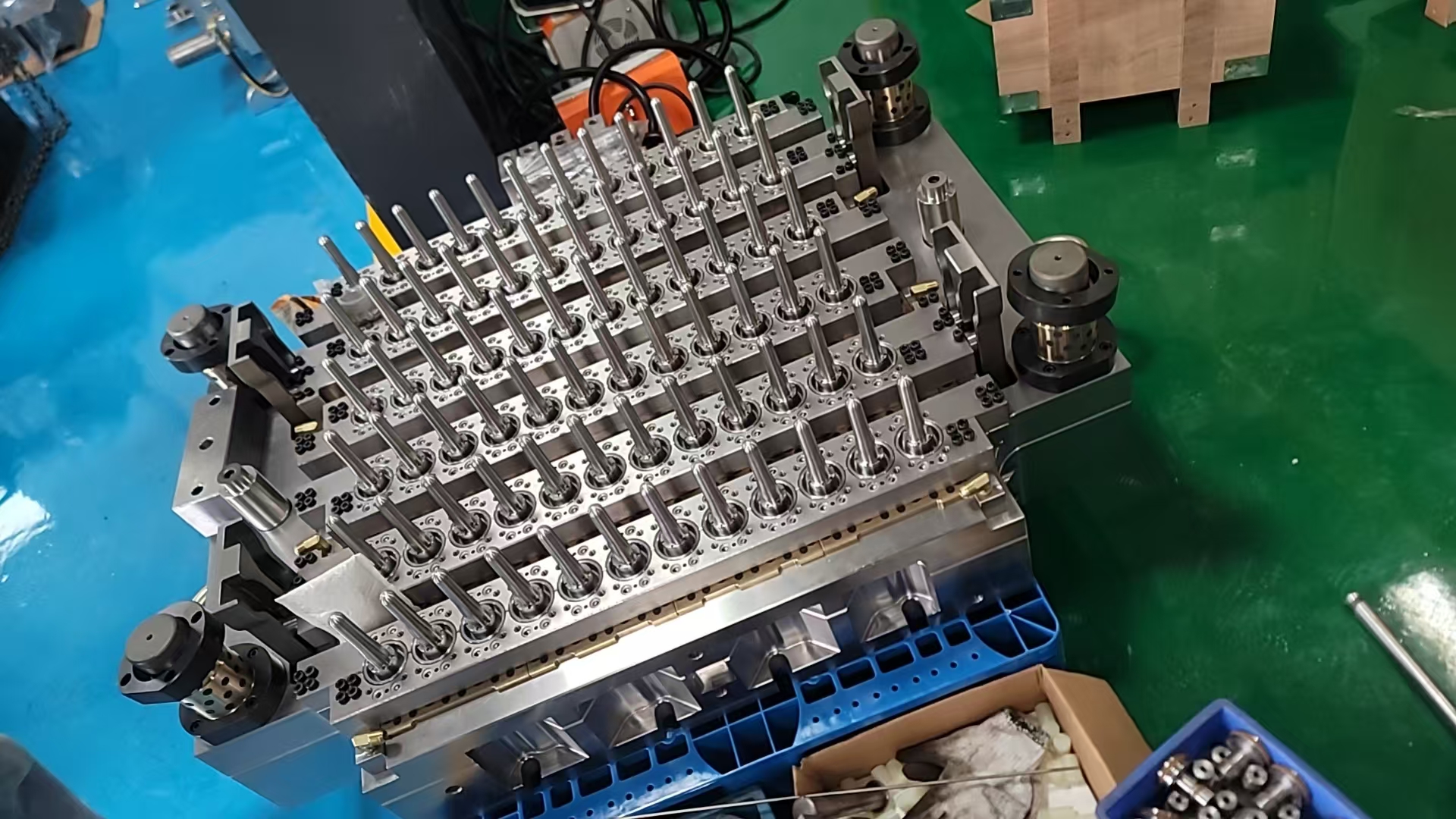
A higher cavity count (e.g., upgrading from a 24-cavity to a 48-cavity or 96-cavity system) significantly increases the parts-per-hour yield. However, large-scale multi-cavity moulds require massive amounts of molten PET plastic and substantial clamping forces. If the injection moulding machine's plasticizing capacity or dry cycle speed cannot keep up, the theoretical productivity gains will be bottlenecked by extended cycle times.
Debodi’s Precision Engineering Solution
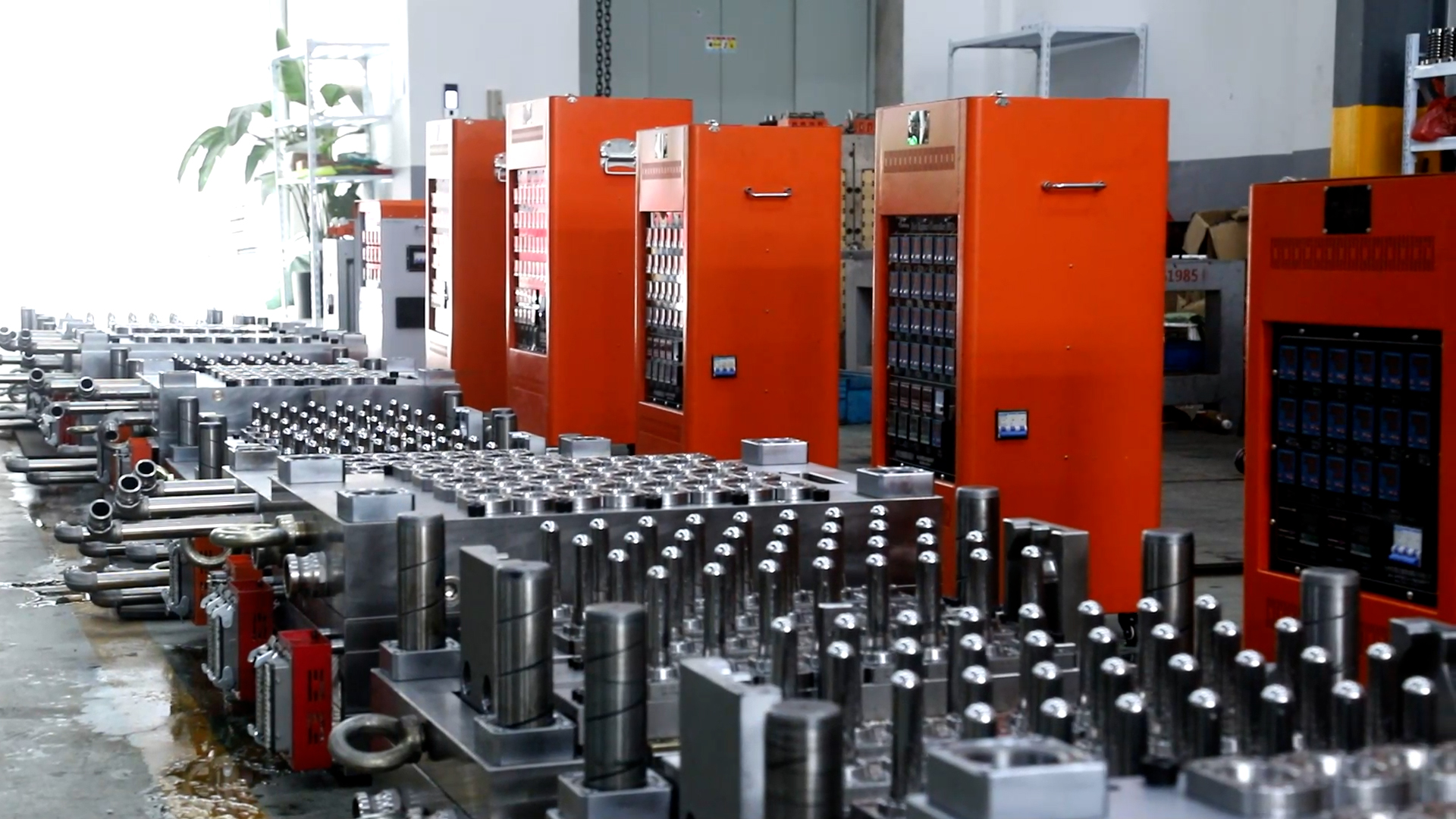
To ensure high productivity without sacrificing cycle times, Debodi Mould utilizes advanced hot runner systems with balanced flow channels. This guarantees uniform melt distribution to every single cavity, minimizing pressure drops and ensuring rapid, simultaneous filling—even in ultra-high cavity configurations.
2. Balancing Costs: CapEx vs. OpEx
Choosing the right cavity count requires a detailed analysis of both Capital Expenditure (CapEx) and Operational Expenditure (OpEx).
| Factors | Low Cavity Count (e.g., 8 to 24-Cavity) | High Cavity Count (e.g., 48 to 96+ Cavity) |
|---|---|---|
| Initial Investment (CapEx) | Lower mould and machine costs. Ideal for startups or low-volume specialized runs. | Higher initial cost for the mould, hot runner system, and high-tonnage injection machinery. |
| Running Costs (OpEx) | Higher labor and energy costs per individual preform produced. | Significantly lower per-part manufacturing costs due to economies of scale and automation. |
| Maintenance & Downtime | Simpler maintenance, quicker color changes, and lower risk of widespread downtime. | Requires strict preventive maintenance, but optimized by Debodi’s modular cavity designs for quick replacements. |
The ROI Threshold: High-cavity moulds are highly cost-effective for mass production (e.g., water and carbonated soft drink bottles), where the reduction in per-unit cost quickly offsets the premium initial tooling investment.
3. Preserving Final Product Quality: The Technical Challenge
As cavity count scales upward, maintaining absolute geometric and physical consistency across all preforms becomes drastically more difficult. Minor deviations can lead to defects like flash, short shots, or uneven wall thickness, directly ruining final bottle blowing quality.
Thermal Uniformity & Hot Runner Balancing
In high-cavity configurations, PET melt must travel varying distances to reach inner vs. outer cavities. If the hot runner system is poorly designed, temperature variations will cause differences in melt viscosity. Debodi Mould solves this by engineering state-of-the-art, naturally balanced hot runner manifolds with independent nozzle temperature control, ensuring that the PET material enters every cavity at the exact same temperature and pressure.
Concentricity and Cooling Efficiency
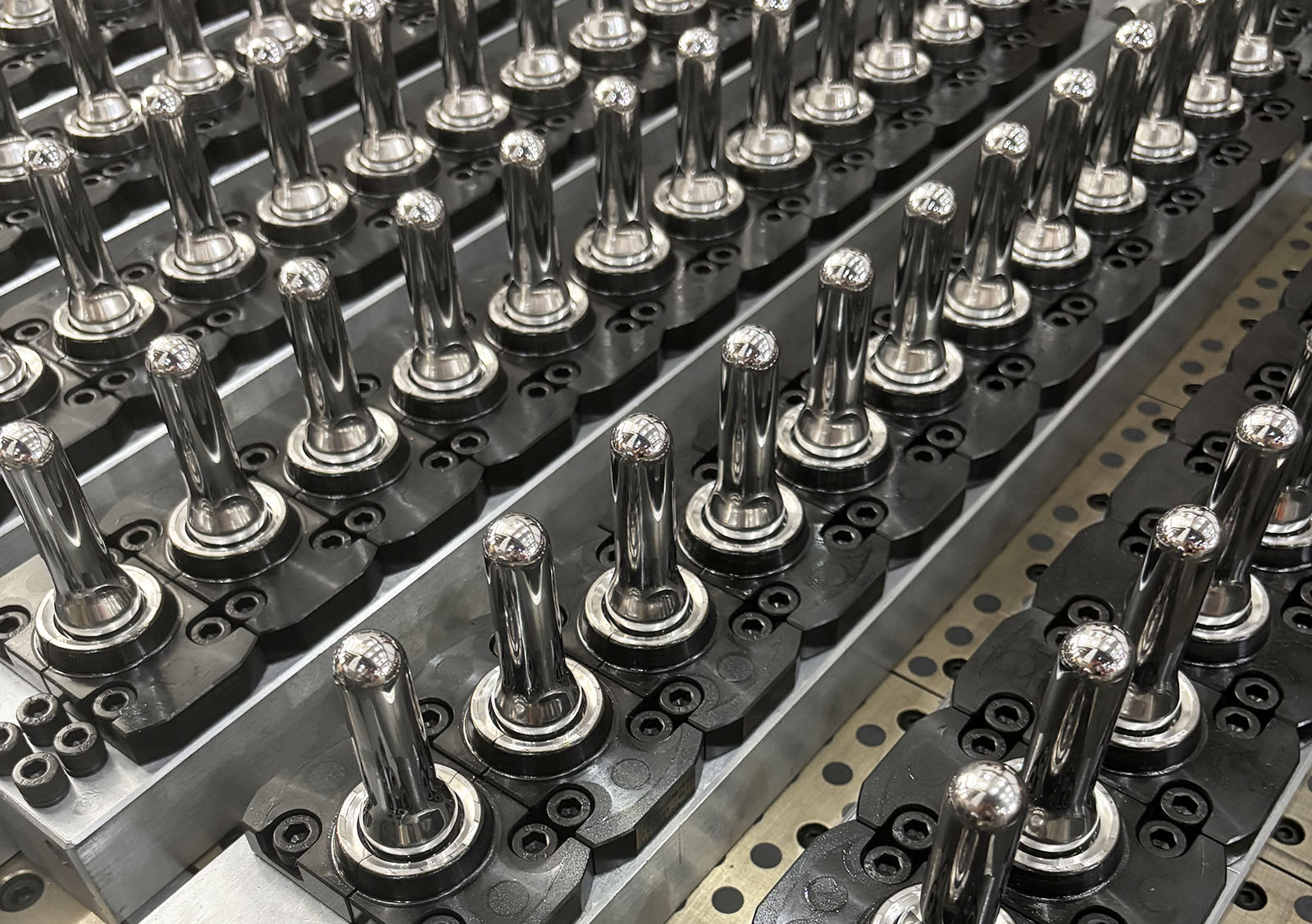
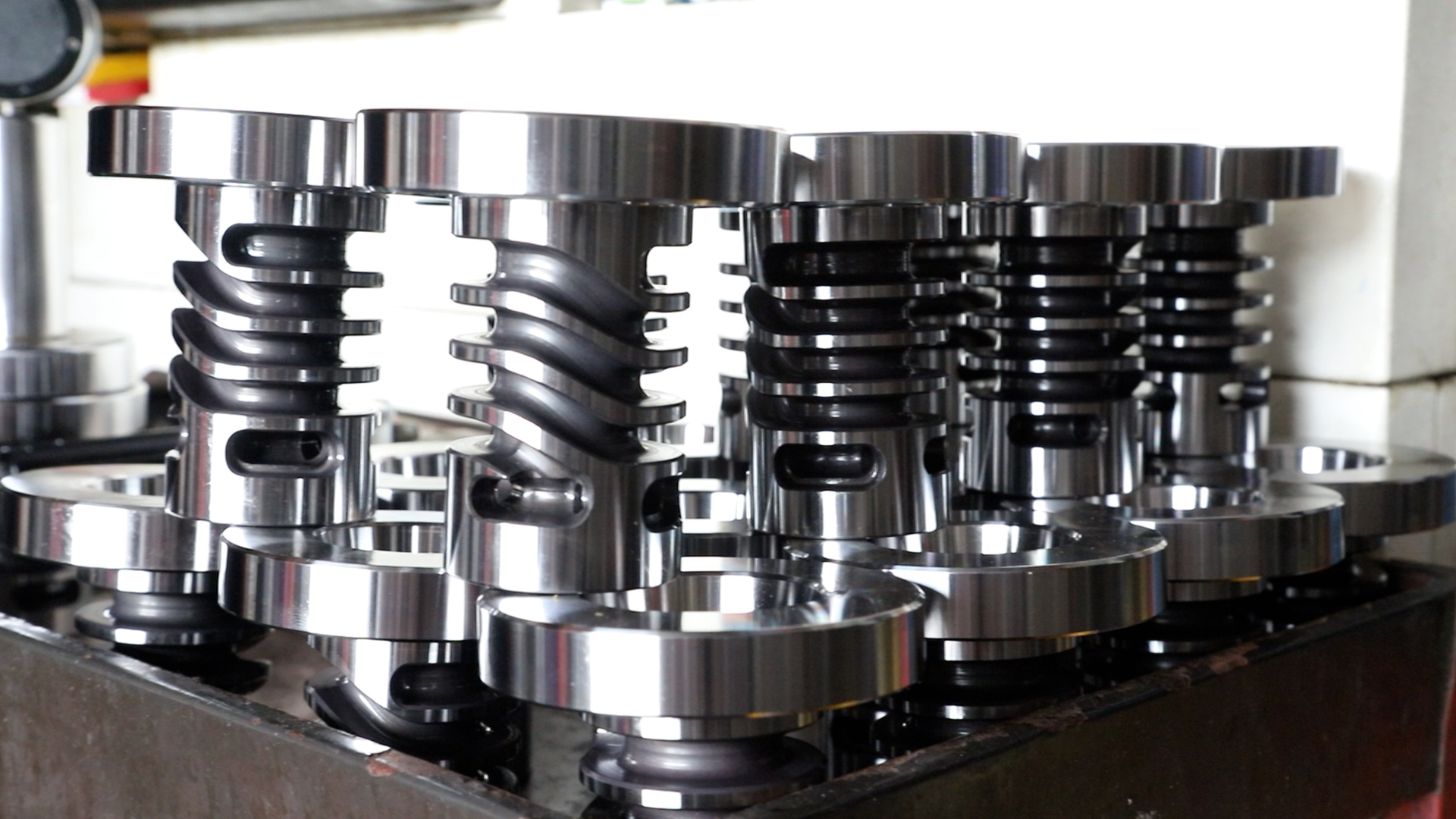
Consistent cooling is the secret to flawless PET preforms. Uneven cooling leads to crystallinity (haziness) and warping. Debodi integrates innovative "spiral cooling water channels" into every single core and cavity insert. Combined with our strict raw material selection (utilizing premium, high-hardness corrosion-resistant steels), we guarantee core-to-cavity concentricity within ±0.05mm, eliminating wall thickness variations.
Conclusion: Partner with Debodi for Your Optimal Mould Solution
There is no one-size-fits-all answer to the ideal cavity count. The optimal configuration depends heavily on your target annual output, budget, existing machinery, and specific preform designs.
As a highly specialized PET preform mould manufacturing expert, Debodi Mould doesn't just sell tools; we deliver comprehensive, tailor-made production strategies. From high-speed 8-cavity wide-mouth jar moulds to high-volume 96-cavity water preform systems, we optimize your setup to achieve the perfect equilibrium of maximum productivity, lowest per-part cost, and flawless quality.
Contact Debodi Mould today to consult with our engineering team and elevate your PET production efficiency.