

Blog


What Makes a High-Quality PET Preform Mould? A Technical Buyer's Guide
An in-depth technical buyer's guide by Debodi Mould on selecting high-quality PET preform moulds. Explore steel selection, hot runner design, cooling efficiency, and precision manufacturing for optimal...


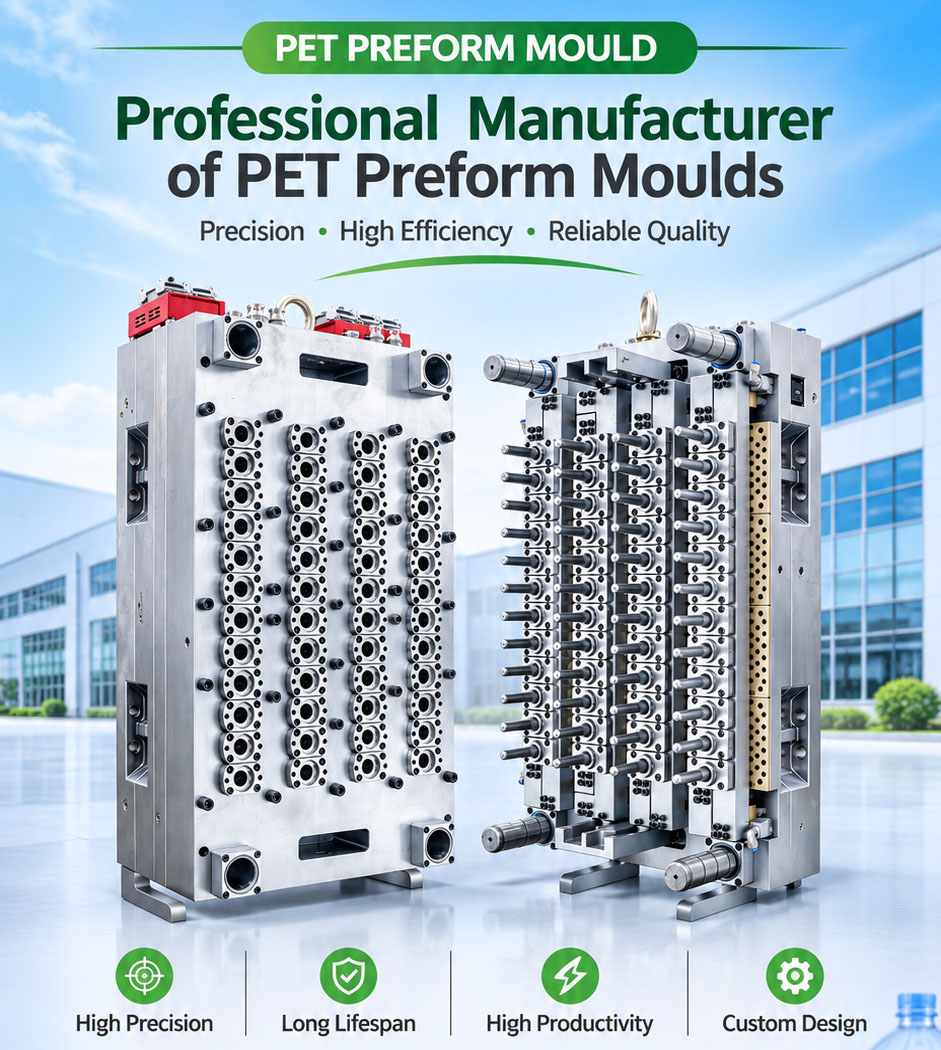
In the highly competitive packaging and bottling industry, the quality of your PET (Polyethylene Terephthalate) bottles starts long before the blow molding stage—it originates directly in the heart of the injection molding room with the PET preform mould. For technical buyers, plant managers, and packaging engineers, selecting or specifying a high-performance preform tooling system is a critical investment that dictates cycle times, energy consumption, product consistency, and long-term operational profitability.
As an industry-leading PET preform mould manufacturing specialist, Debodi Mould combines advanced engineering expertise with rigorous metallurgical standards to deliver robust, high-precision tooling solutions tailored for global beverage, edible oil, pharmaceutical, and cosmetic packaging brands.
1. Material Science and Core Steel Selection
The foundation of any world-class preform mould lies in its metallurgy. Preform production involves high injection pressures, abrasive polymer flow, and rapid thermal cycling. Inferior steel leads to premature cavity wear, flash, parting line degradation, and dimensional drift.
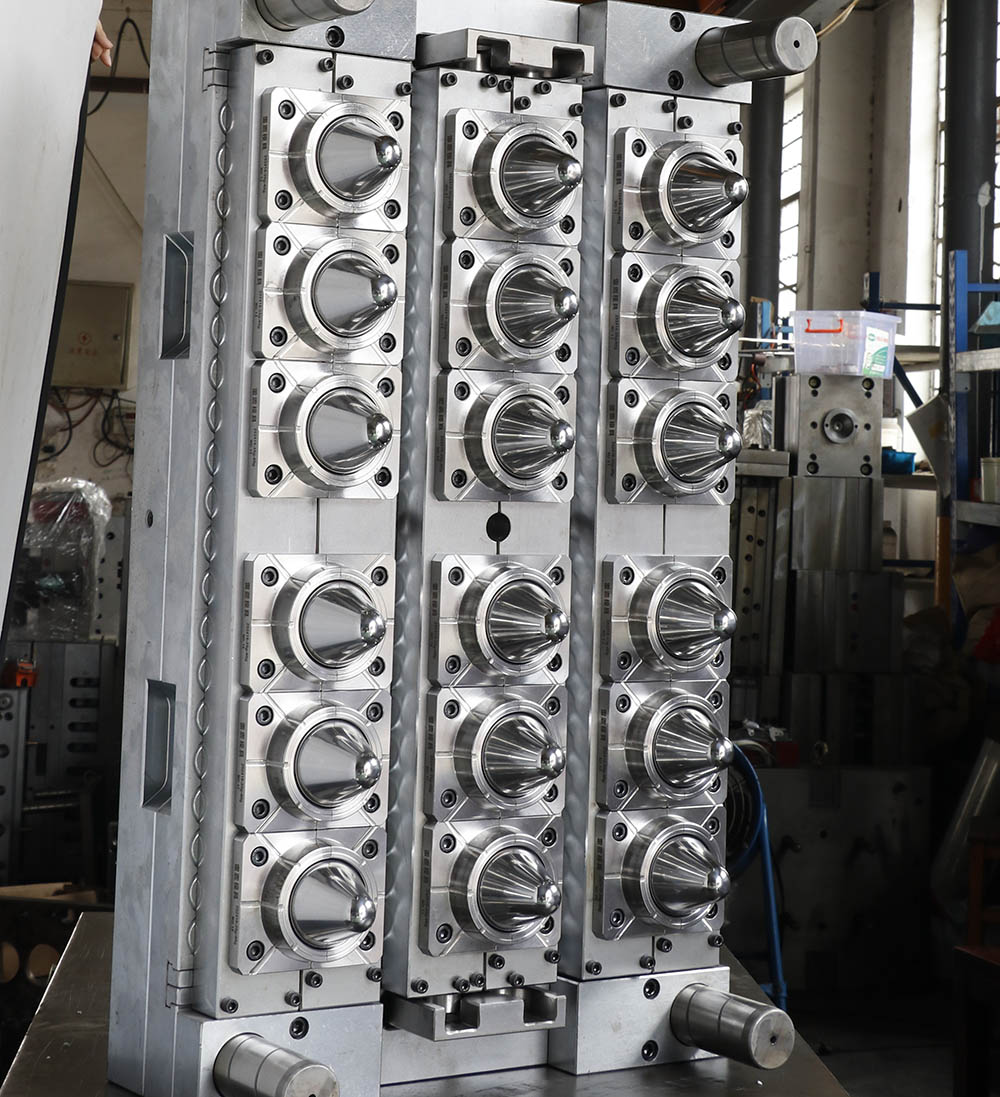
- Cavity and Core Steels: Premium Swedish or German pre-hardened stainless steels (such as DIN 1.2316 or equivalent ESR-refined steels) are mandatory. They offer superior corrosion resistance against moisture and acetaldehyde (AA) generation, alongside exceptional polishability.
- Neck Ring Material: Because neck threads endure high mechanical friction and quick ejection cycles, specialized beryllium copper or high-grade nitided steels are utilized to maximize thermal conductivity and wear resistance.
2. Hot Runner Design and Thermal Balance
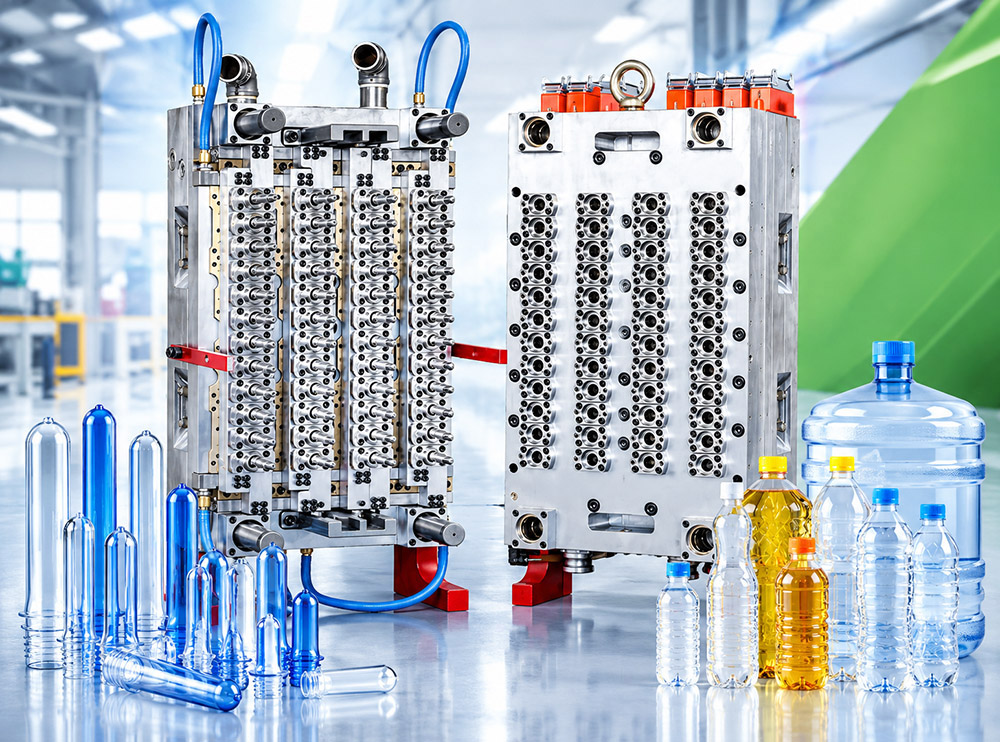
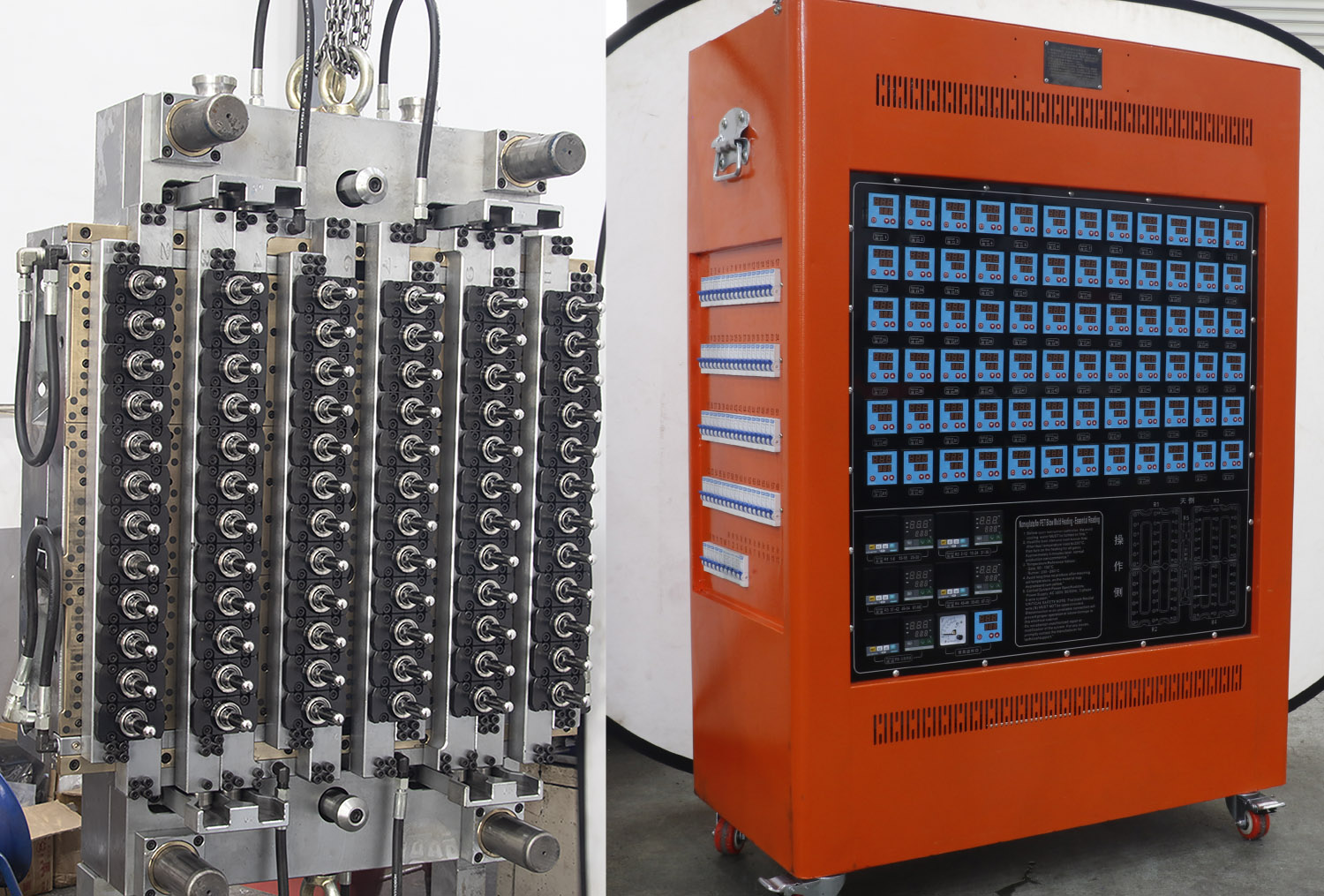
Thermal stability across multi-cavity systems (ranging from 8 to 72 cavities and beyond) is the ultimate benchmark of a superior preform mould. Uneven thermal distribution causes inconsistent wall thickness, variable weight, and elevated levels of acetaldehyde (AA) defects.
At Debodi Mould, our advanced hot runner systems feature:
- Optimized Melt Channels: Designed with computer-aided flow analysis (CAE) to ensure balanced residence time and shear stress reduction.
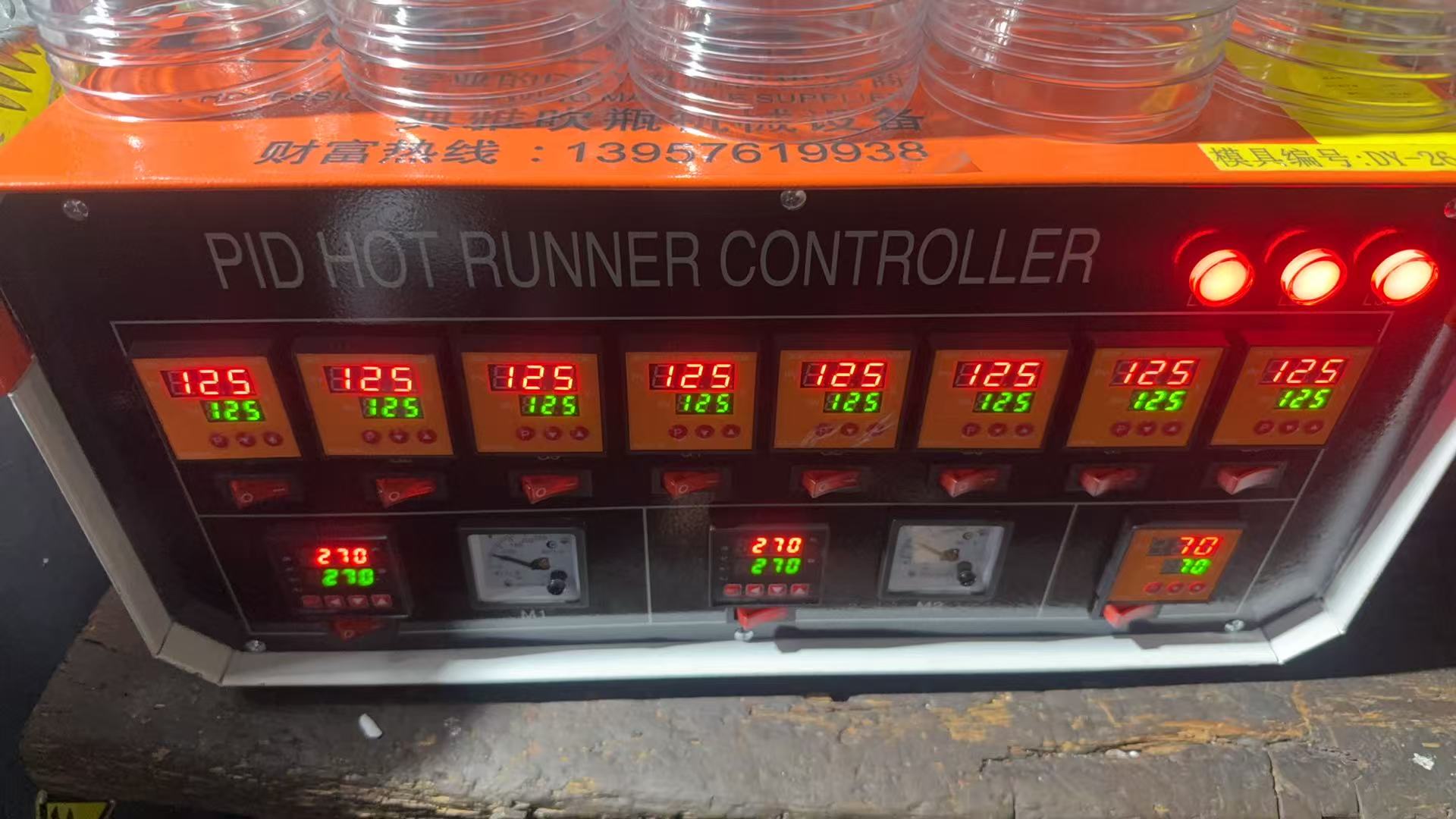
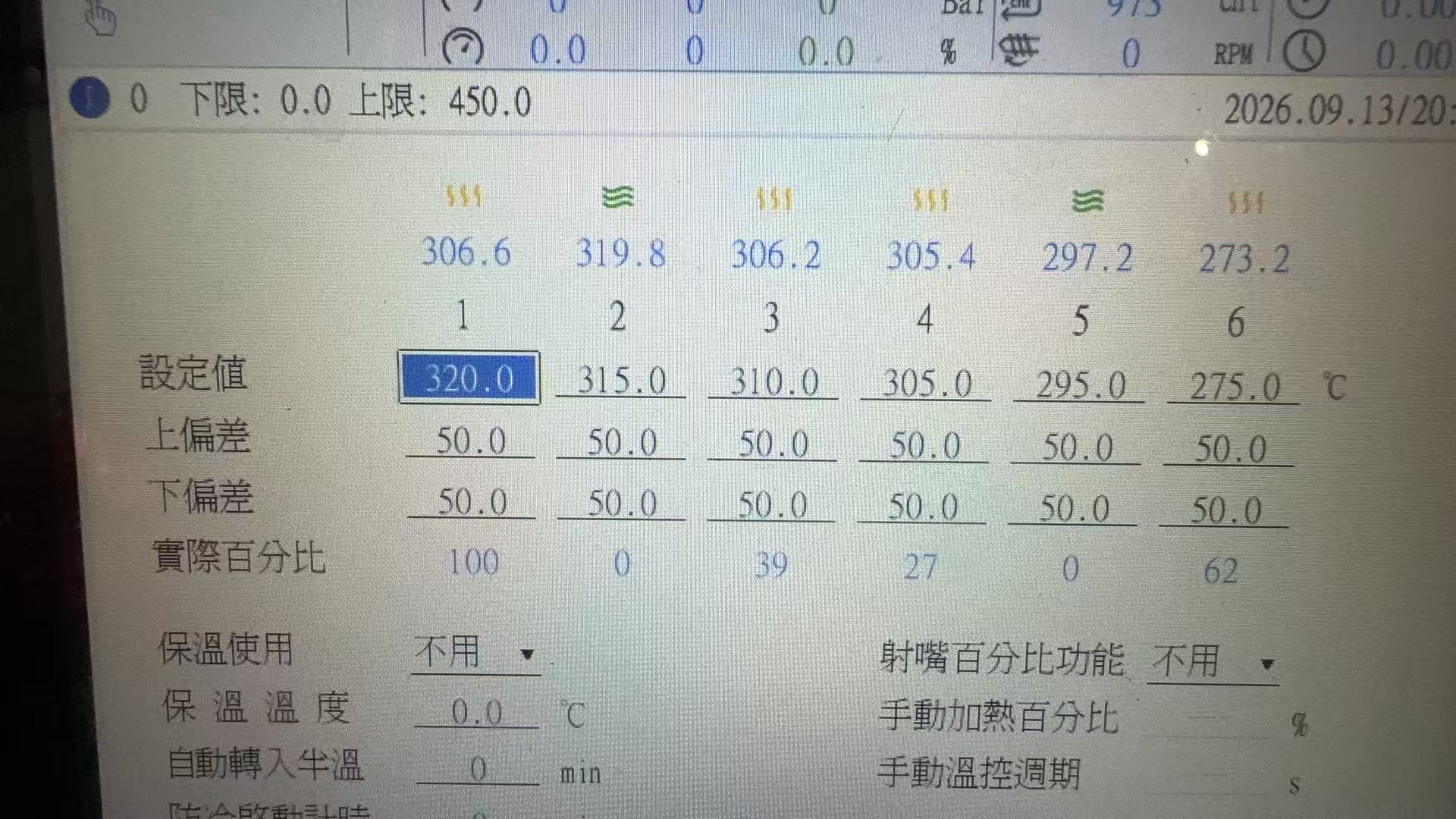
- Independent Zone Temperature Control: Precision thermocouple feedback loops maintaining tight temperature tolerances (±1°C) across every nozzle tip.
- Valve Gate Technology: Clean gate cut-offs without stringing or thermal degradation, ensuring optimal aesthetic and structural integrity at the preform base.
3. Precision Cooling Engineering
Cooling efficiency accounts for up to 70% of the total injection molding cycle time in PET preform production. Advanced moulds employ spiral and conformal cooling designs within the core and cavity inserts.
4. Interchangeability and Maintenance Ergonomics
Downtime is the enemy of high-volume packaging plants. A high-quality preform mould must be designed with 100% interchangeable components. Precision tolerances (micrometer-level machining) ensure that individual cores, cavities, and neck splits can be replaced on-site without requiring re-machining or complete tool realignment.
| Performance Parameter | Standard Moulding Tool | Debodi High-Performance Mould |
|---|---|---|
| Cycle Time | 14.0s – 16.0s | 9.5s – 11.5s (Depending on weight) |
| Weight Tolerance | ±0.15g | ±0.03g |
| Core Interchangeability | Requires selective fitting | 100% interchangeable drop-in replacement |
| Acetaldehyde (AA) Level | < 6.0 ppb | < 3.0 ppb (Beverage standard compliant) |
5. Why Choose Debodi Mould as Your Technical Partner?
Navigating the complexities of packaging design, neck finishes (such as PCO 1881, 26/22, 38mm, or custom sports caps), and machine compatibility requires more than just a tool supplier—it demands a true technical solution expert.
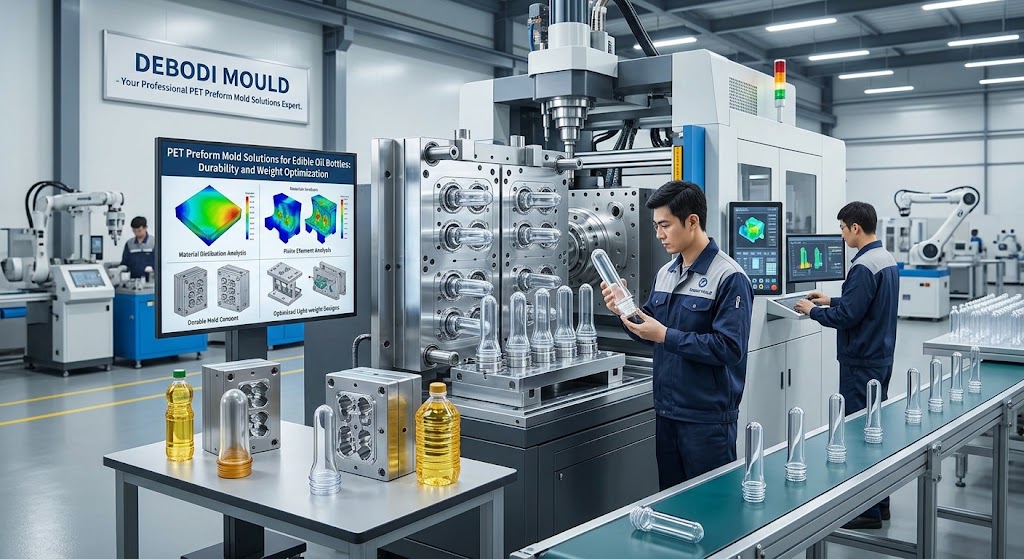
Debodi Mould provides end-to-end support, from initial preform 3D drawing optimization and finite element analysis (FEA) to pilot testing and turnkey production validation. Our commitment to rigid quality control guarantees that every mould leaving our facility delivers maximum uptime, superior container blowability, and swift return on investment (ROI).
Tags
About the author

Peter Du
Content ManagerContact our PET preform mold specialists today and get customized solutions for your bottle packaging production needs.
Behind every successful mold project is a dedicated DEBODI team committed to quality, precision, and long-term customer support.