




Introduction: The Shift in Beverage Packaging Production
In the highly competitive beverage manufacturing landscape, profit margins are closely tied to production efficiency, material optimization, and energy consumption. As global demand for packaged water, carbonated soft drinks (CSD), juices, and edible oils continues to surge, packaging plants face constant pressure to scale up output without compromising quality. At the heart of this manufacturing cycle lies the PET preform mould.
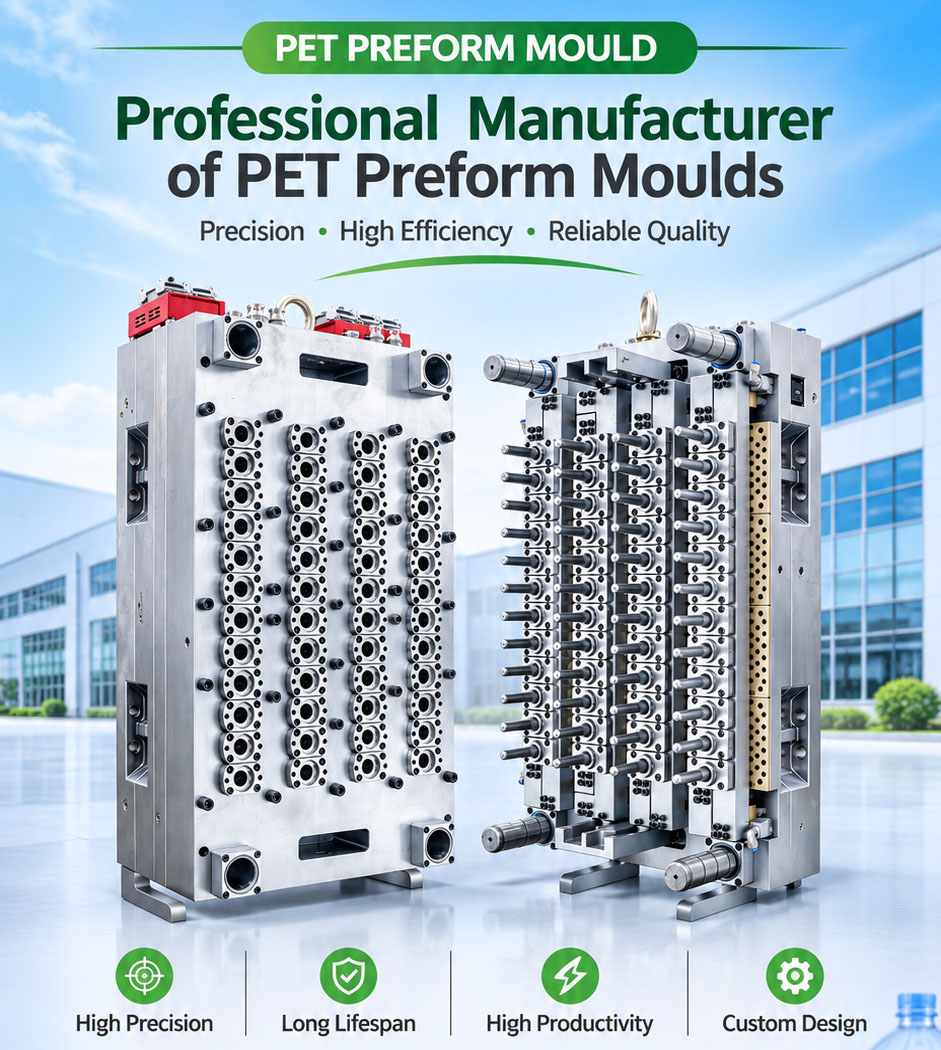
While single-cavity and low-cavity tooling once dominated smaller operations, modern beverage giants and mid-sized packaging factories alike are rapidly migrating toward multi-cavity PET preform moulds. As a specialized engineering and manufacturing leader, Debodi Mould explores the core technical drivers behind this industry-wide transition.
1. Maximizing Economies of Scale and Output Efficiency
The primary driver for choosing multi-cavity tooling is exponential productivity growth. In high-speed injection molding systems, cycle time remains relatively constant regardless of whether the mold houses 16, 32, 48, 72, or 96 cavities.
- Higher Volume Per Cycle: A 72-cavity mold produces twice as many preforms per injection stroke as a 36-cavity mold, significantly multiplying output per hour.
- Optimized Machine Utilization: By pairing high-cavity moulds with advanced injection molding machines, manufacturers maximize plant floor productivity while minimizing machine running hours per unit of output.
2. Superior Consistency and Precision Engineering
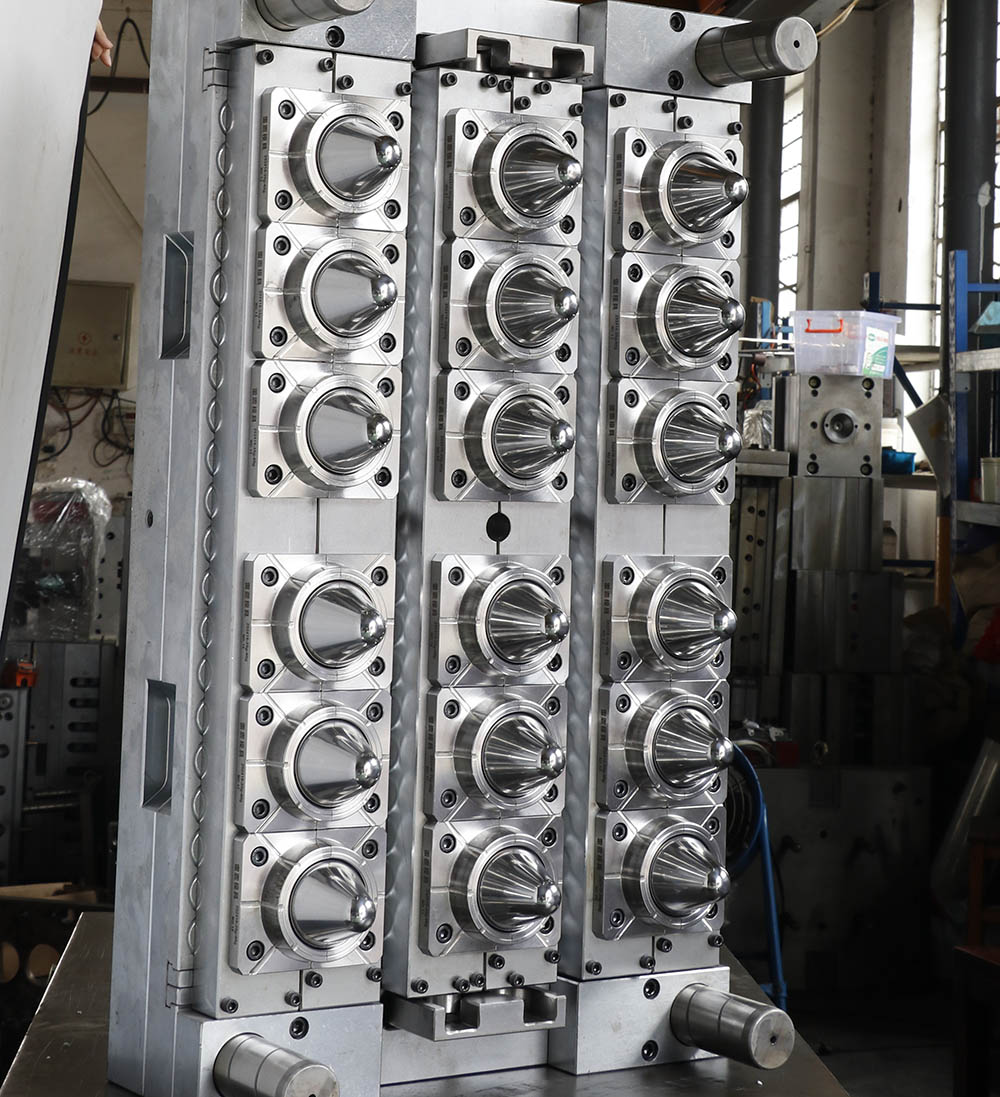
A common misconception in early manufacturing was that increasing cavity counts would sacrifice dimensional tolerance. However, modern engineering advancements at Debodi Mould disprove this assumption. Using high-grade pre-hardened mold steel (such as S136 or equivalent Swedish/German grades) combined with CNC high-precision machining and 3D coordinate measuring machines (CMM), we ensure absolute symmetry and uniformity across all cavities.
- Wall Thickness Uniformity: Precise gate balancing and thermal distribution eliminate eccentricity, ensuring uniform wall thickness that prevents container bursting during blow molding.
- Interchangeable Components: Debodi Mould designs preform tooling with fully interchangeable core, cavity, and neck ring inserts, reducing maintenance downtime and preserving exact replication.
3. Energy Efficiency and Lower Carbon Footprint
Sustainability is no longer optional; it is a core business requirement. Multi-cavity systems optimize energy consumption on a per-preform basis. Because heating, plasticizing, and clamping energy are distributed across a massive batch of preforms simultaneously, the kilowatt-hour expenditure per individual preform drops drastically.
4. Advanced Hot Runner Technology and Gate Quality
Multi-cavity moulds rely heavily on sophisticated hot runner systems to maintain stable melt temperature and pressure for every single cavity. Debodi Mould incorporates balanced valve-gate or thermal-gate hot runner configurations that prevent polymer degradation, minimize acetaldehyde (AA) generation—critical for bottled water taste integrity—and eliminate stringing or vestige blemishes.
Conclusion: Partnering with a Specialized Mould Expert
Choosing the right multi-cavity PET preform mould is a strategic investment that defines a beverage manufacturer's operational agility, product quality, and long-term profitability. Transitioning to high-cavity tooling requires meticulous engineering, precise thermal balancing, and rigorous tool testing.
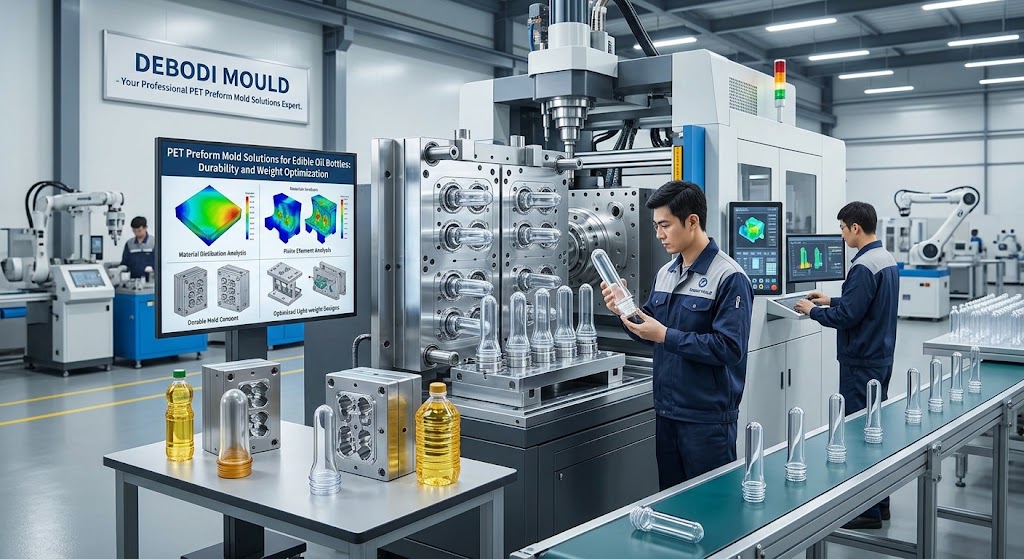
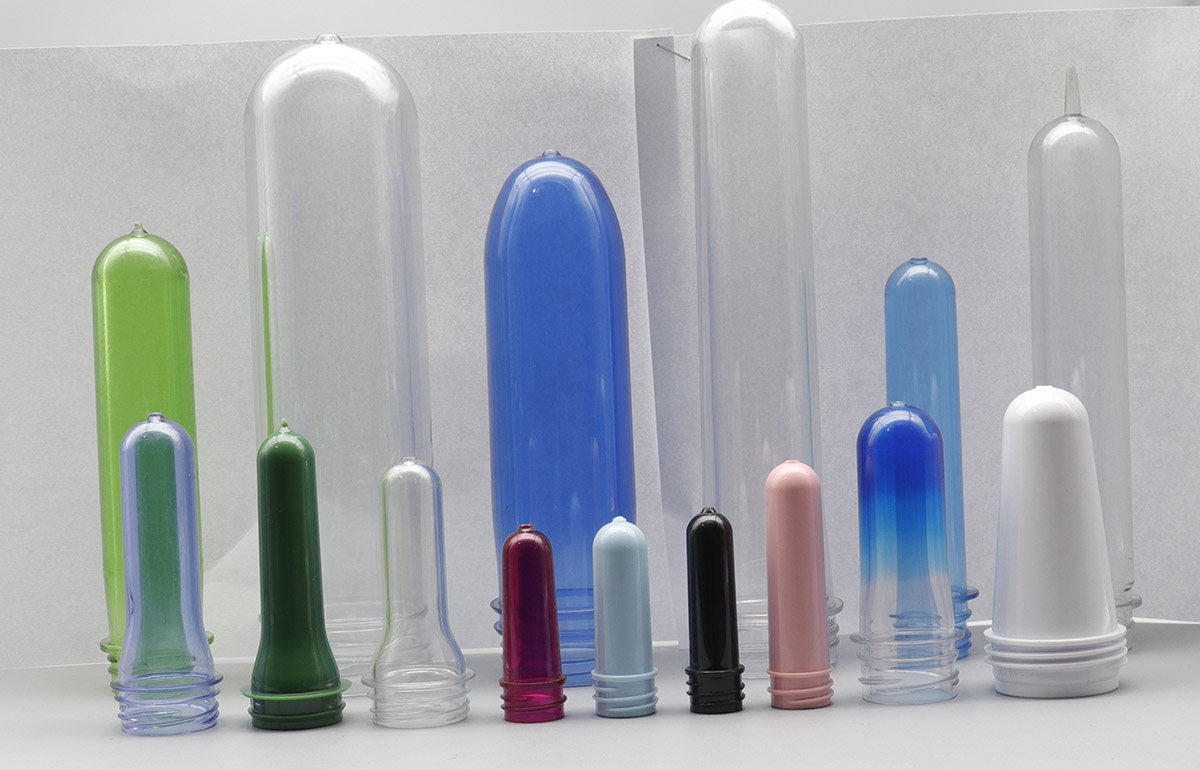
As a dedicated and professional PET preform mould manufacturer, Debodi Mould combines decades of tooling expertise with cutting-edge CAD/CAM/CAE technologies to deliver turnkey preform solutions tailored to your specific neck finishes, weights, and machine platforms. Empower your production line with precision-crafted moulds designed for tomorrow's beverage market.