




A Comprehensive Maintenance Guide for Multi-Cavity PET Preform Molds
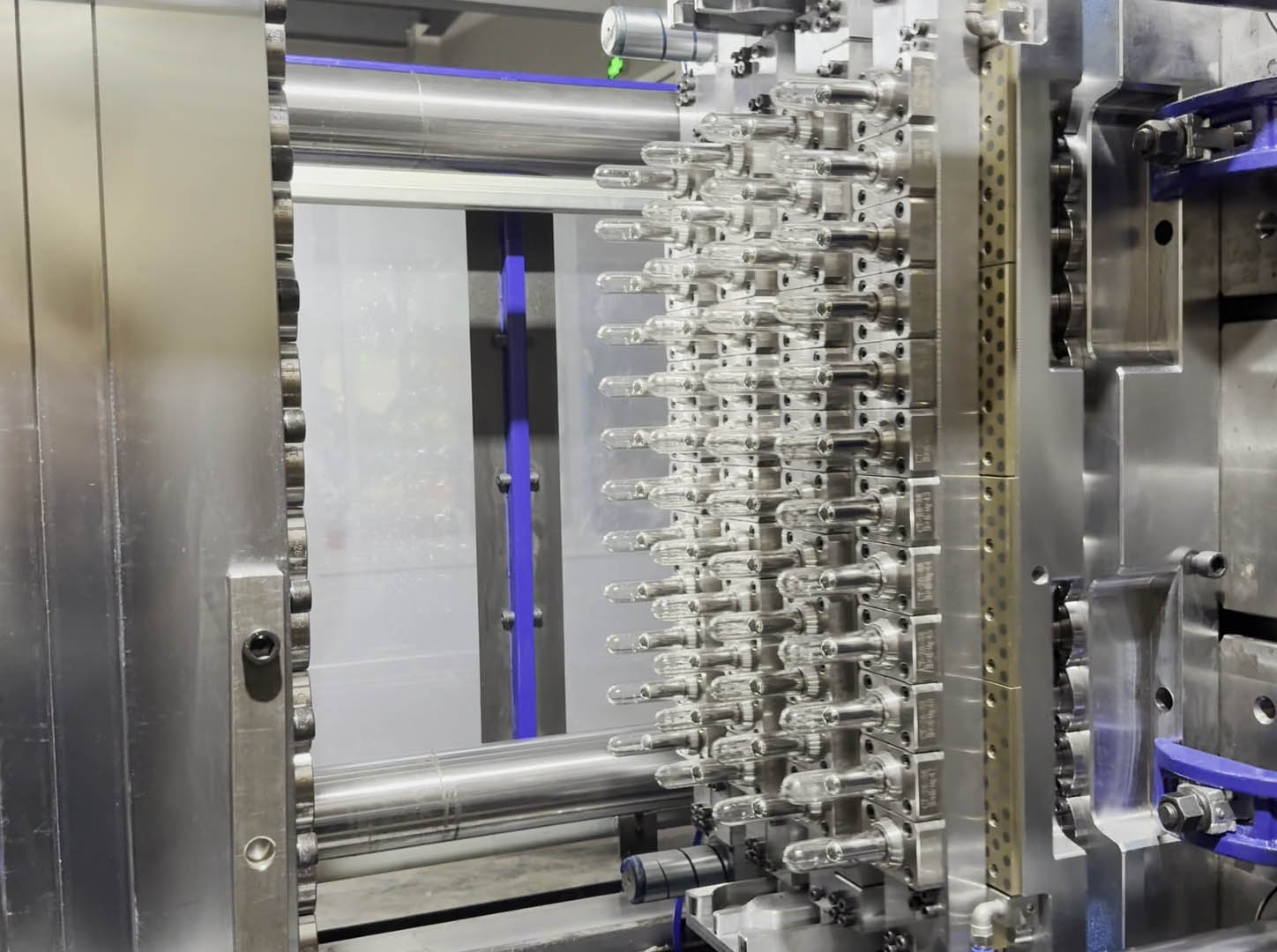
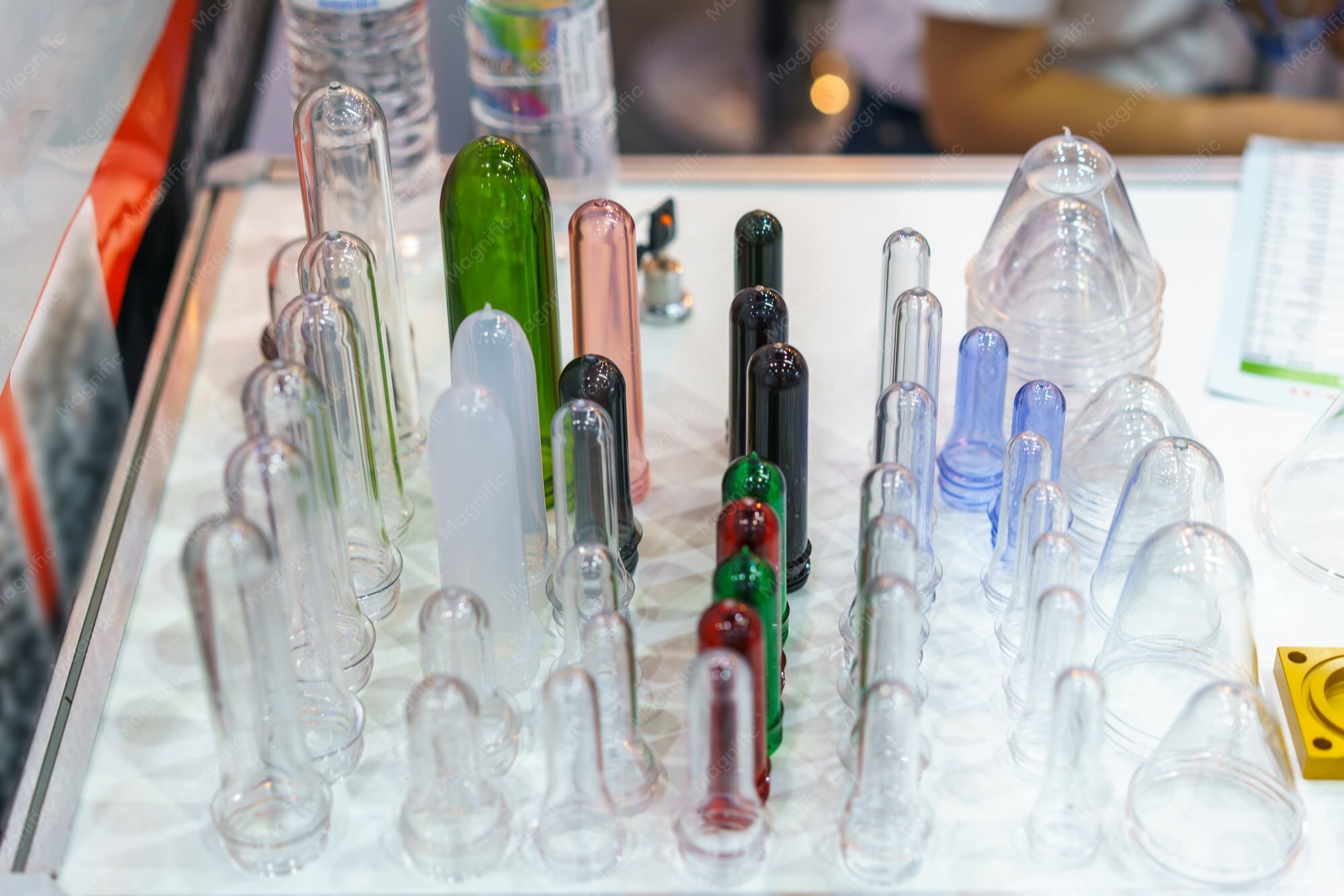
Multi-cavity PET preform molds are essential production tools for high-volume bottled water, beverage, edible oil, and packaging manufacturers. As the number of cavities increases, mold maintenance becomes increasingly important for maintaining consistent preform quality, minimizing production downtime, and extending mold service life.
For manufacturers operating 24-cavity, 32-cavity, 48-cavity, 64-cavity, or 72-cavity PET preform molds, even a minor maintenance issue can affect multiple cavities and lead to significant production losses.
At DEBODI MOULD, we understand that a high-performance PET preform mold is not simply a precision-machined tool. It is a complete engineering system involving cavity design, hot runner technology, cooling circuits, material selection, machining accuracy, and long-term maintenance.
1. Why Is Regular Maintenance Critical for Multi-Cavity PET Preform Molds?
A multi-cavity PET preform mold operates under repeated injection pressure, elevated temperatures, cooling cycles, and mechanical movement. Over time, these conditions can cause wear, contamination, thermal imbalance, and dimensional changes.
Compared with a low-cavity mold, a high-cavity mold contains more cavity inserts, cooling channels, hot runner components, and precision fitting surfaces. Every component must work consistently to ensure uniform production.
Key Benefits of Regular Mold Maintenance
- Consistent preform quality: Helps maintain preform weight, wall thickness, transparency, neck dimensions, and gate quality.
- Reduced production downtime: Identifies potential failures before they interrupt mass production.
- Longer mold service life: Reduces unnecessary wear on cavity inserts, core pins, and sealing surfaces.
- Stable cooling performance: Prevents blocked cooling channels and uneven temperature distribution.
- Improved production efficiency: Supports stable cycle times and consistent output across all cavities.
- Lower operating costs: Reduces emergency repairs, rejected preforms, and unexpected maintenance expenses.
For high-output applications, preventive maintenance is an important part of production cost control, not merely a repair activity.
2. Understanding the Main Components That Require Maintenance
Before establishing a maintenance schedule, operators should understand the critical components of a multi-cavity PET preform injection mold.
2.1 Cavity Inserts and Core Pins
Cavity inserts and core pins determine the geometry, wall thickness, and dimensional accuracy of PET preforms. Their surfaces must remain clean, smooth, and free from scratches, corrosion, and abnormal wear.
During inspection, pay particular attention to:
- Surface scratches and abnormal polishing marks.
- Wear around the cavity and core contact areas.
- Contamination caused by PET residue or foreign particles.
- Dimensional changes affecting preform weight and wall thickness.
- Alignment and fitting conditions between mold components.
Use appropriate non-abrasive cleaning tools and approved cleaning materials. Avoid aggressive polishing that may alter the original cavity dimensions.
2.2 Hot Runner System
The hot runner system is one of the most important components of a high-cavity PET preform mold. It distributes molten PET to individual cavities while maintaining controlled melt temperature and balanced material flow.
Maintenance should include:
- Checking hot runner temperature controllers and thermocouple readings.
- Inspecting heater connections and electrical wiring.
- Checking for temperature deviations between different zones.
- Inspecting hot runner nozzles and gate areas for contamination.
- Checking for abnormal leakage or signs of overheating.
Uneven temperature distribution may cause inconsistent filling, gate defects, material degradation, or differences in preform appearance. Always follow the mold manufacturer's recommended temperature settings and troubleshooting procedures.
2.3 Cooling Water Channels
Efficient cooling is essential for maintaining a stable injection molding cycle. A cooling problem in one area can cause uneven shrinkage, deformation, and inconsistent preform quality.
Recommended inspection points include:
- Cooling water flow rate and pressure.
- Water inlet and outlet temperature differences.
- Blocked or scaled cooling channels.
- Water leakage at connectors and sealing points.
- Rust, mineral deposits, and corrosion.
Water quality should be controlled according to the cooling system design. Where appropriate, use filtered cooling water and suitable water treatment to minimize scale and corrosion.
2.4 Mold Alignment and Mechanical Components
Guide pins, guide bushes, locating components, and moving mold parts ensure accurate mold opening and closing. Abnormal friction or misalignment can damage precision surfaces and shorten component life.
Inspect these parts for wear, looseness, abnormal noise, and insufficient lubrication. Apply only the lubricant recommended for the mold and the relevant operating conditions.
3. Daily Maintenance Procedures for PET Preform Molds
Daily maintenance should focus on basic cleaning, operating condition checks, and early detection of abnormalities. A simple checklist helps operators maintain consistent procedures between production shifts.
Before Production
- Check the mold exterior for contamination, oil leakage, or visible damage.
- Inspect cooling water connections and verify normal circulation.
- Check hot runner controllers and confirm that all heating zones reach their specified temperatures.
- Inspect electrical connectors, sensors, and thermocouple connections.
- Confirm that the mold is correctly installed and aligned.
- Verify that the injection molding machine parameters follow the approved production settings.
During Production
- Monitor preform weight and appearance across representative cavities.
- Observe whether any cavity produces short shots, flashing, or abnormal gate marks.
- Monitor cooling performance and temperature stability.
- Listen for unusual mechanical sounds during mold opening and closing.
- Record unexpected changes in cycle time or production quality.
After Production
- Follow the approved shutdown and mold protection procedure.
- Remove PET residue and contamination using suitable cleaning materials.
- Clean accessible mold surfaces without damaging precision areas.
- Inspect the mold for water leakage and visible damage.
- Dry exposed surfaces where necessary and apply appropriate rust protection.
- Store the mold in a clean, dry environment with suitable protection.
Important: Never open, clean, or service a hot runner, electrical component, or pressurized cooling circuit while it is operating. Follow machine lockout procedures and allow components to reach a safe temperature before maintenance.
4. Weekly and Monthly Preventive Maintenance
Daily checks help identify visible problems, while weekly and monthly maintenance should focus on deeper inspections of the mold's mechanical, thermal, and cooling systems.
Weekly Maintenance
- Clean accessible cavity and core surfaces according to the approved cleaning procedure.
- Inspect guide pins, guide bushes, and moving components.
- Check cooling water flow and identify early signs of blockage.
- Inspect hot runner electrical connections and heating performance.
- Review production records for recurring cavity-specific defects.
- Check mold clamping and alignment conditions.
Monthly Maintenance
- Conduct a more detailed inspection of cavity inserts and core pins.
- Evaluate cooling channel performance and clean the cooling system when required.
- Check temperature controller accuracy and thermocouple performance.
- Inspect seals, connectors, and water circuit components.
- Check critical dimensions where product quality indicates possible wear.
- Review maintenance records and identify recurring failures.
The actual maintenance frequency should be determined by production volume, resin conditions, cooling water quality, operating environment, and the mold manufacturer's recommendations. High-output molds may require more frequent inspections.
5. How to Maintain a High-Cavity Hot Runner System
As cavity count increases, hot runner temperature balance becomes more important. In a 48-cavity, 64-cavity, or 72-cavity PET preform mold, a temperature problem in one zone can affect multiple production positions.
Common Hot Runner Problems
| Problem | Possible Cause | Recommended Inspection |
|---|---|---|
| Uneven preform filling | Temperature imbalance or flow restriction | Check heater zones, nozzles, and material flow |
| Abnormal gate appearance | Gate contamination or thermal instability | Inspect gate areas and temperature settings |
| Black spots or discoloration | Material degradation or contamination | Check residence time, temperature, and cleanliness |
| Cold or incomplete filling | Insufficient heating or blocked flow path | Check heaters, thermocouples, and hot runner passages |
| Temperature fluctuation | Faulty thermocouple or electrical connection | Test sensors, wiring, and temperature controller |
When a hot runner problem occurs, avoid randomly increasing temperature settings. First identify whether the issue originates from the heater, thermocouple, controller, nozzle, material condition, or injection process.
6. Cooling System Maintenance: A Key to Stable Cycle Times
Cooling performance directly influences the thermal stability and dimensional consistency of PET preforms. Poor cooling can increase cycle time and cause uneven shrinkage or deformation.
Recommended Cooling System Checks
- Measure cooling water inlet and outlet temperatures.
- Compare flow rates between cooling circuits where measurement points are available.
- Check for scale, sediment, and other deposits.
- Inspect all connectors and seals for leakage.
- Confirm that the cooling water supply meets the required operating conditions.
For high-cavity molds, cooling balance is especially important. A cooling restriction affecting only one section may create differences between preforms produced by different cavities.
DEBODI MOULD emphasizes precision engineering and reliable mold construction to support consistent production. Proper maintenance of cooling circuits helps preserve the intended performance of the mold throughout its service life.
7. Common PET Preform Quality Problems and Their Maintenance-Related Causes
Not every preform defect is caused by mold damage. Injection parameters, PET material drying, machine conditions, and cooling performance can also influence product quality. However, understanding the relationship between defects and mold condition helps engineers identify problems more efficiently.
| Preform Defect | Possible Mold-Related Cause | Inspection Direction |
|---|---|---|
| Uneven wall thickness | Core and cavity alignment issues or uneven thermal conditions | Check alignment, centering, and cooling balance |
| Gate defects | Gate wear, contamination, or temperature imbalance | Inspect gate inserts and hot runner conditions |
| Flash | Damaged parting surfaces or poor mold closing conditions | Inspect sealing surfaces and clamping alignment |
| Short shots | Blocked flow path or insufficient hot runner temperature | Inspect nozzles and heating zones |
| Cloudy or inconsistent appearance | Uneven cooling or contamination | Inspect cooling circuits and cavity cleanliness |
| Neck dimension variation | Wear or damage to neck inserts | Measure critical neck dimensions |
A systematic troubleshooting process should compare defective preforms from different cavities. If defects repeatedly occur in the same cavity, inspect that cavity's inserts, cooling circuit, and hot runner components first.
8. Precision Inspection: Maintaining Dimensional Accuracy
Precision inspection is essential for maintaining the performance of multi-cavity PET preform molds. Small dimensional changes can influence preform weight, neck finish quality, sealing performance, and downstream bottle blowing results.
Important Inspection Areas
- Cavity diameter and internal geometry.
- Core pin dimensions and surface condition.
- Neck finish dimensions and thread profile.
- Gate geometry and contact surfaces.
- Parting line condition and sealing surfaces.
- Critical fitting and alignment dimensions.
Professional inspection tools such as coordinate measuring machines (CMM), precision measuring instruments, and suitable surface inspection equipment help verify critical dimensions.
DEBODI MOULD's manufacturing approach incorporates 5-axis CNC machining, EDM processing, and CMM inspection to support precision mold production. These manufacturing capabilities are important foundations for maintaining consistent component geometry and interchangeability.
9. Maintenance Differences Between 24, 48, 64, and 72-Cavity PET Preform Molds
Different cavity configurations have different maintenance demands. As the number of cavities increases, inspection and production monitoring should become more systematic.
24-Cavity PET Preform Mold
A 24-cavity mold is commonly used for medium-to-high-volume production. Maintenance should focus on cooling performance, cavity consistency, gate quality, and routine mechanical inspection.
48-Cavity PET Preform Mold
A 48-cavity configuration requires careful monitoring of hot runner temperature balance and cavity-to-cavity consistency. Production records should identify defects by individual cavity position.
64-Cavity PET Preform Mold
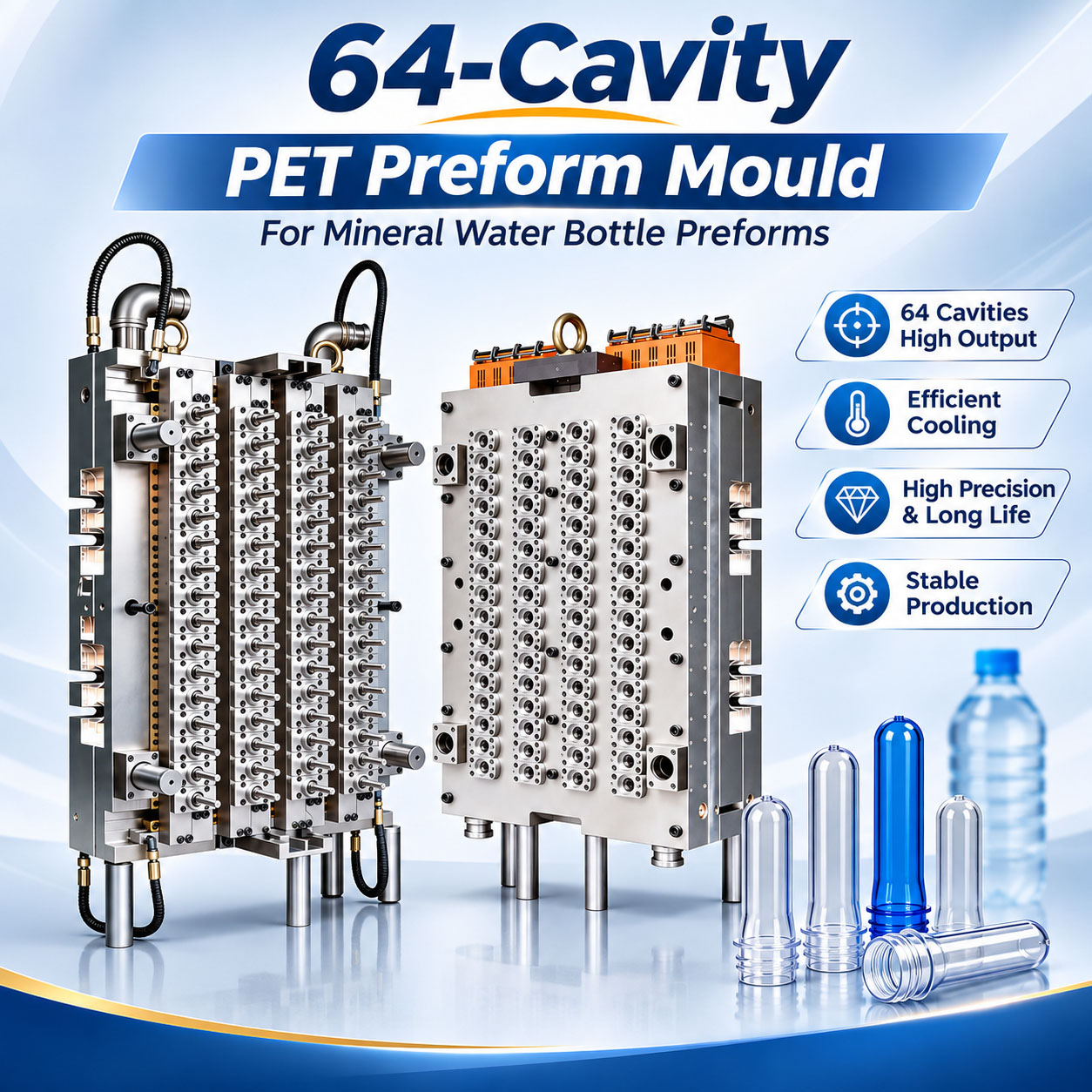
A 64-cavity mold is designed for high-output production. Maintenance planning should include systematic hot runner inspection, cooling circuit monitoring, precision component checks, and structured preventive maintenance records.
72-Cavity PET Preform Mold
A 72-cavity mold requires coordinated maintenance across a larger number of precision components. Any abnormality should be identified by cavity position and traced to its relevant heating, cooling, or mechanical system.
The appropriate maintenance interval depends on the actual design, production hours, resin, operating conditions, and manufacturer specifications. Cavity count alone should not determine the maintenance schedule.
10. Recommended PET Preform Mold Maintenance Schedule
| Frequency | Maintenance Task | Purpose |
|---|---|---|
| Before each shift | Check cooling, heating, connections, and mold condition | Confirm safe and stable operation |
| During production | Monitor preform quality and cavity-specific defects | Detect abnormalities early |
| After production | Clean and protect accessible mold surfaces | Prevent contamination and corrosion |
| Weekly | Inspect guide components, cooling circuits, and hot runner connections | Identify developing wear and faults |
| Monthly | Conduct detailed component and system inspections | Maintain long-term performance |
| During planned shutdown | Perform comprehensive inspection and approved servicing | Restore and verify mold condition |
11. Five Common Maintenance Mistakes to Avoid
1. Using Abrasive Tools on Precision Surfaces
Aggressive polishing or unsuitable tools can change cavity dimensions and surface finishes. Always use approved cleaning methods.
2. Ignoring Cooling Water Quality
Poor water quality can cause scale accumulation, corrosion, and reduced cooling efficiency.
3. Adjusting Hot Runner Temperatures Without Diagnosis
Unnecessary temperature adjustments can create additional defects. Check the actual source of the problem first.
4. Failing to Track Individual Cavity Performance
Treating all cavities as one production unit can hide localized defects. Record and identify cavity positions during inspection.
5. Waiting Until a Failure Occurs
Reactive maintenance increases the risk of unexpected downtime. A preventive maintenance plan is more effective for high-volume production.
12. How to Choose a PET Preform Mold Manufacturer That Supports Long-Term Reliability
Mold maintenance starts with good engineering and manufacturing quality. A well-designed mold is easier to inspect, maintain, and operate consistently.
When evaluating a PET preform mold manufacturer, buyers should consider the following factors:
- Steel selection: Appropriate mold steel for the intended production environment and service requirements.
- Precision machining: Advanced CNC and EDM capabilities for accurate cavity and core manufacturing.
- Hot runner engineering: Reliable temperature control and balanced material distribution.
- Cooling design: Efficient and well-planned cooling circuits.
- Dimensional inspection: CMM and other precision measurement capabilities.
- Production testing: Actual preform samples for checking weight, transparency, neck finish, and gate quality.
- Technical support: Clear maintenance instructions, troubleshooting guidance, and spare parts support.
DEBODI MOULD is a professional PET preform mold manufacturer based in Taizhou, China. We provide high-cavity PET preform mold solutions for bottled water, beverages, edible oil, and other packaging applications.
Our product range includes multi-cavity configurations such as 24-cavity, 32-cavity, 48-cavity, 64-cavity, and 72-cavity PET preform molds. Through precision machining, hot runner engineering, and quality inspection, we focus on helping customers achieve stable, efficient, and consistent preform production.
13. Frequently Asked Questions About Multi-Cavity PET Preform Mold Maintenance
Q1: How often should a multi-cavity PET preform mold be maintained?
Basic inspections should be performed before and during each production shift. Cleaning and detailed inspections should follow a schedule based on operating hours, production conditions, and manufacturer recommendations. High-output molds may require more frequent inspections.
Q2: Why is cooling system maintenance important for PET preform molds?
The cooling system controls heat removal and helps maintain dimensional stability. Blocked channels or uneven cooling can cause longer cycles, inconsistent preform quality, and localized defects.
Q3: What causes uneven preform quality in a 64-cavity or 72-cavity mold?
Possible causes include hot runner temperature differences, blocked cooling channels, cavity contamination, component wear, alignment problems, and inconsistent injection conditions. Comparing samples by cavity position is an effective troubleshooting method.
Q4: Can poor maintenance reduce PET preform mold service life?
Yes. Insufficient cleaning, corrosion, improper lubrication, aggressive polishing, and delayed repairs can accelerate wear and damage precision components.
Q5: How can manufacturers reduce maintenance costs?
Use a preventive maintenance schedule, maintain cooling water quality, monitor cavity-specific defects, keep accurate maintenance records, and replace worn components before they cause secondary damage.
Q6: Does DEBODI MOULD provide technical support for multi-cavity PET preform molds?
DEBODI MOULD focuses on professional PET preform mold manufacturing and engineering solutions. Contact our team to discuss mold configurations, technical requirements, maintenance recommendations, and spare parts support for your production project.
Conclusion: Preventive Maintenance Is the Foundation of Reliable PET Preform Production
Maintaining a multi-cavity PET preform mold requires a systematic approach that covers cavity cleaning, hot runner inspection, cooling system maintenance, mechanical checks, dimensional verification, and production quality monitoring.
For manufacturers operating 48-cavity, 64-cavity, and 72-cavity molds, consistent preventive maintenance helps reduce production interruptions, maintain preform quality, and protect long-term equipment investment.
Choosing an experienced mold manufacturer is equally important. From precision machining and hot runner design to quality inspection and technical support, every engineering detail contributes to the reliability of a PET preform mold.
DEBODI MOULD – Your Professional PET Preform Mold Manufacturing and Engineering Solution Partner.
Visit our website: https://www.preform-moulds.com/
Contact DEBODI MOULD for customized multi-cavity PET preform mold solutions.